Understanding Storm Shingle Loss
To understand why missing shingles after a storm need prompt attention, it helps to understand what they mean for the roof. Shingles are the roof's outer layer of defense against water, working together to channel rain off the roof and protect the layers beneath. When a storm strips some away, that defense is broken at the exposed spot, leaving the underlayment and decking vulnerable. For a Stones Crossing homeowner, recognizing that missing shingles are a breach in a protective system, rather than just a cosmetic flaw, is the key insight. The roof relies on every shingle being in place to keep water out, so even a few missing ones create an opening that the next rain can exploit, which is why storm shingle loss is a real problem.
How Storms Tear Off Shingles
Storms tear off shingles mainly through wind and impact. Strong or gusting wind can get under the edges of shingles, lifting and eventually peeling them off, while flying debris and hail can crack, break, or dislodge them. For a Stones Crossing homeowner, this explains why shingles end up in the yard or leave bare patches after a storm, since the forces involved can overcome the shingles' attachment, especially if they were already aging or loosened. Wind-driven uplift is a common cause, particularly along edges and ridges where wind catches most. Understanding how storms remove shingles helps make sense of the damage and underscores that the roof has been physically compromised, with the affected shingles needing replacement to restore the protection the storm took away.
Why Even a Few Missing Shingles Matter
It is tempting to dismiss a few missing shingles as minor, but they matter because each one leaves a gap in the roof's water protection. The underlayment and decking beneath are exposed, and these layers are not designed to be the roof's primary defense against direct, prolonged water exposure. For a Stones Crossing homeowner, this is why even a small bare patch is significant, since it is an open path for water to reach the vulnerable layers and eventually the interior. The roof works as a system, and missing shingles break that system at the exposed spot. What appears to be a minor cosmetic issue is actually a real vulnerability, which is why even a few missing shingles warrant prompt repair rather than being left until convenient.
The Insurance Angle
The insurance angle is worth understanding, since storm damage to shingles is often covered by homeowners insurance as a sudden event rather than gradual wear. If a storm blew off or damaged your shingles, a claim may help cover the repair cost, with you responsible mainly for the deductible. For a Stones Crossing homeowner, this can make the repair more affordable, so documenting the damage thoroughly and checking your policy is worthwhile. A professional assessment can document the storm damage to support the claim, and many roofers are familiar with the insurance process. Coverage depends on your specific policy, but storm-related shingle damage is a common covered scenario, so exploring whether insurance applies is a sensible part of handling missing shingles after a storm.
The Repair Process
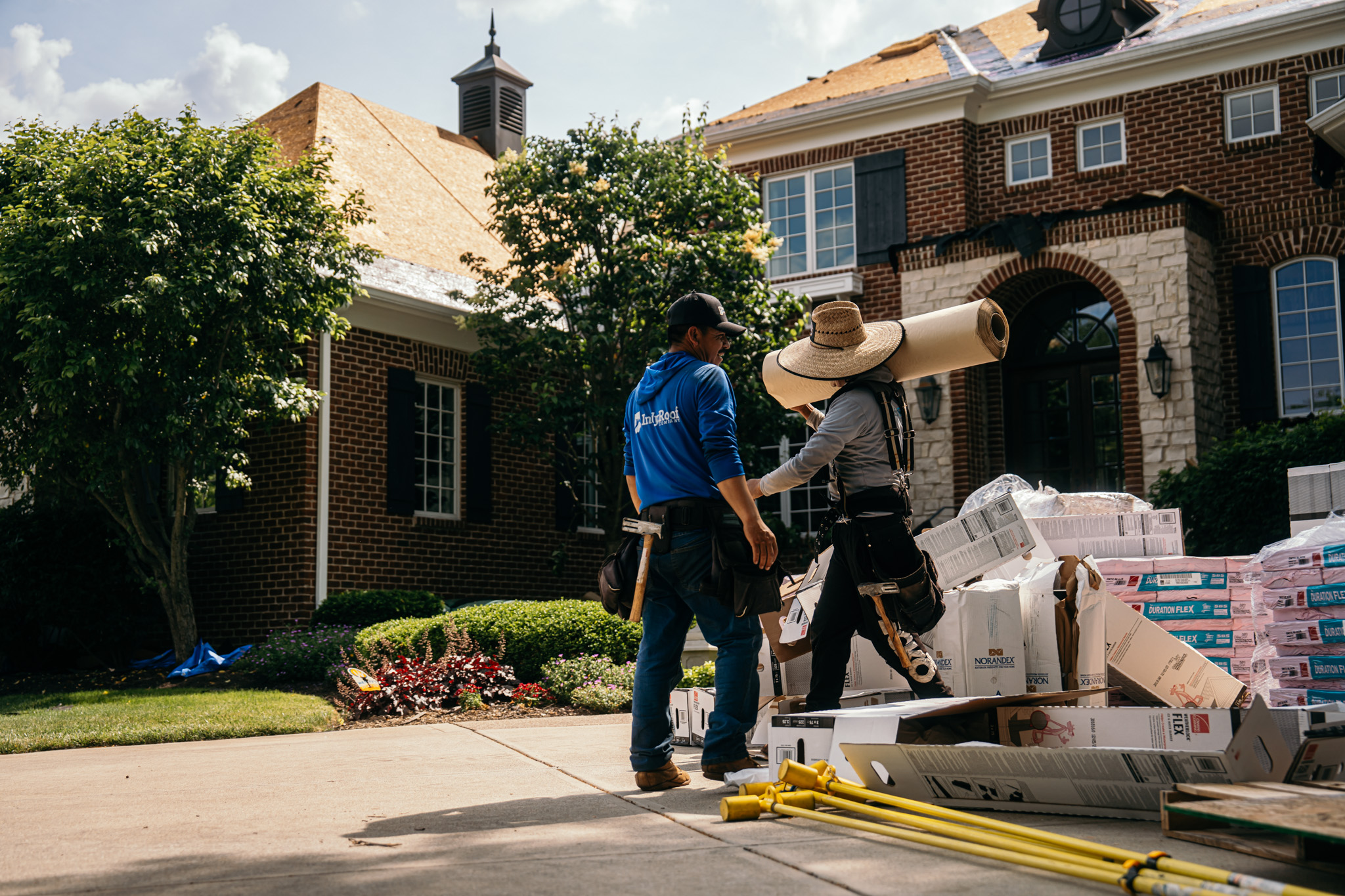
The repair process for missing shingles involves more than simply placing new shingles in the bare spots. A roofer removes any remaining damaged shingles in the area, inspects the underlayment and decking, addresses any damage found, and installs new shingles that match the existing roof, sealing and securing them so they integrate properly. For a Stones Crossing homeowner, this thorough process is what restores the roof's protection rather than just its appearance. The new shingles must be installed correctly so they channel water like the surrounding shingles and stay secured. Because the process requires proper technique and an assessment of the underlying layers, it is best done by a professional, who ensures the repaired area is watertight and lasting rather than a superficial patch that could fail in the next storm.
Why Fast Repair Matters
Fast repair matters because the exposed area is on a countdown until the next rain, and water intrusion causes escalating damage. The longer missing shingles go unrepaired, the greater the chance of a leak, with potential damage to the decking, insulation, and ceilings. For a Stones Crossing homeowner, acting quickly keeps the problem contained to replacing the shingles rather than dealing with the consequences of water getting in. There is also the risk that adjacent shingles loosened by the storm could lift in the next wind, enlarging the damage. Repairing promptly, ideally before the next storm, protects both the exposed area and the surrounding roof. Speed is the difference between a simple shingle replacement and a leak with the broader damage and cost it brings.
Temporary Measures
When rain is expected before a proper repair can be done, temporary measures help protect the exposed roof. A tarp secured over the bare area shields the underlayment and decking from rain, buying time until the shingles are replaced. For a Stones Crossing homeowner, this temporary protection is best installed by a professional, since it involves working safely on the roof and securing the tarp so it holds against wind and rain. Tarping a roof yourself, especially if it is wet or steep, risks a serious fall. The tarp is a stopgap, not a repair, intended only to protect the exposed area until the actual fix. If no rain is imminent, the focus shifts to arranging the repair promptly, but if weather is coming, temporary protection prevents water intrusion in the interim.
Matching New Shingles
Matching the new shingles to the existing roof is part of a good repair. Roofers aim to match the type, style, and color so the repair blends in as much as possible. For a Stones Crossing homeowner, matching matters for the roof's appearance, though an exact match can be difficult if the existing shingles have aged and faded or are no longer manufactured, in which case the closest available match is used. The functional repair, restoring water protection, does not depend on a perfect color match, but a close match keeps the roof looking consistent. A professional knows how to source a suitable match and place the new shingles to minimize any visible difference. While worth attention, matching is secondary to a proper, watertight repair of the exposed area.
Checking the Surrounding Area
A proper repair checks the area surrounding the missing shingles, not just the obvious bare spots. The storm may have loosened nearby shingles or damaged them in ways that are not obvious, and these can become problems if left. For a Stones Crossing homeowner, this is why a careful assessment matters, since fixing only the clearly missing shingles while overlooking loosened or damaged neighbors can leave the roof vulnerable to further loss. A professional inspects the surrounding shingles for lifting, cracking, or weakened attachment, addressing any that are compromised. Checking the broader area ensures the repair accounts for all the storm's effects in that region of the roof, which is what makes it a complete fix rather than one that leaves adjacent weaknesses to fail later.
Hidden and Underlying Damage
Beyond the shingles themselves, a storm can cause hidden and underlying damage that a proper repair addresses. The underlayment may be damaged, and the decking may be wet or compromised, especially if the shingles were missing through rain. These issues are not visible from the ground. For a Stones Crossing homeowner, this is an important reason to have the roof properly assessed, since restoring the shingles over damaged underlayment or wet decking would not fully fix the problem. A professional inspects these underlying layers and addresses any damage as part of the repair, replacing compromised underlayment or decking where needed. Catching and fixing hidden damage ensures the repair is sound all the way through, which is what truly restores the roof rather than just covering the surface.
The Exposed Layers Beneath
When shingles are missing, the layers they normally protect are exposed: typically the underlayment, a water-resistant barrier, and beneath it the decking, the wood structure of the roof. The underlayment provides some temporary protection, but it is a secondary barrier, not meant to withstand direct exposure for long. For a Stones Crossing homeowner, understanding these exposed layers clarifies the risk, since the underlayment can degrade or fail under prolonged exposure, after which the decking, which is not waterproof, gets wet and can deteriorate. This is why the exposed area is vulnerable and why prompt repair matters. The shingles exist precisely to keep these underlying layers protected, so when they are gone, restoring that protection before the layers are compromised is the goal of a fast repair.
Restoring the Roof Properly
Ultimately, handling missing shingles after a storm is about restoring the roof properly so it protects the home as it should. That means a prompt, thorough repair that replaces the missing shingles, addresses any surrounding and underlying damage, and ensures the area is watertight, ideally before the next rain. For a Stones Crossing homeowner, a proper repair turns a storm-damaged roof back into a sound one, preventing the leak and further damage that waiting would risk. Stones Crossing Roofing provides fast, proper repairs for storm-damaged and missing shingles for Stones Crossing homeowners, restoring the roof completely and before the weather returns. Call (765) 676-3491 when a storm leaves your roof missing shingles, and we will help you get it fixed right and fast.